Where Asbestos Hides in Older Homes and Why Inspections Matter
Older homes often offer character and craftsmanship, but they may also contain building materials that are no longer considered safe. Asbestos was widely used for decades because it resisted heat, fire, and moisture, making it common in residential construction. Although its use declined by the late 1970s, many older homes still contain asbestos in places homeowners rarely think to check.
Because these materials are often hidden, a professional residential asbestos inspection is an important step before starting renovations or repairs. Identifying asbestos early helps prevent accidental exposure, costly delays, and potential health concerns for everyone in the household.
Attic and Wall Insulation
Insulation is one of the most common locations where asbestos may still be present. Loose-fill attic insulation, pipe insulation, and certain wall insulation products historically contained asbestos fibers. These materials can become hazardous when disturbed during energy upgrades, pest removal, or general maintenance. As insulation ages, it may deteriorate and increase the risk of airborne fibers throughout Montrose, CO and nearby communities.
Ceiling Textures and Popcorn Ceilings
Popcorn ceilings were popular in homes built before the 1980s and often contained asbestos to improve durability. Problems arise when homeowners attempt to scrape, sand, or patch these surfaces. Even minor cosmetic repairs can release fibers if asbestos is present, turning a simple project into a serious safety concern that requires professional intervention before work can safely proceed.
Vinyl Flooring and Adhesives
Older vinyl floor tiles and the adhesives beneath them are another common hiding place for asbestos. These materials are frequently found in kitchens, bathrooms, basements, and laundry rooms. While intact flooring may remain stable, cracked tiles or deteriorating adhesives can become hazardous during removal or replacement projects that disturb the material.
Roofing Materials and Exterior Siding
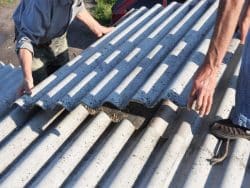
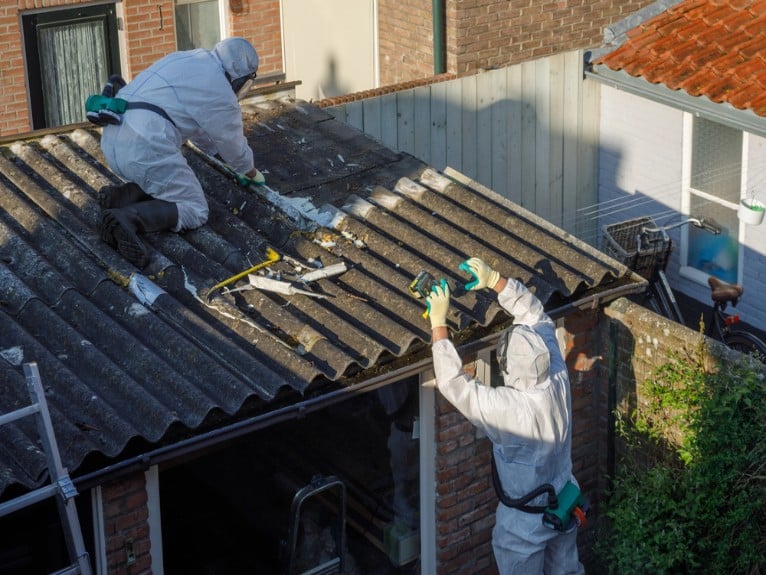
Asbestos was commonly used in roofing shingles, felt paper, and exterior siding to increase durability and fire resistance. Over time, exposure to weather can cause these materials to weaken or break down. Repairs, replacements, or storm damage cleanup can disturb asbestos-containing materials if they are not identified beforehand by a professional inspection.
Basement Pipes and Duct Insulation
Basements often contain pipe wrap, boiler insulation, and duct coverings that may include asbestos. These materials can become brittle as they age, especially around heating systems. Routine plumbing or HVAC work can disturb these components, making inspections an important step before maintenance begins.
Why Professional Inspections Matter
Asbestos cannot be identified by sight alone, and improper handling can increase exposure risks rather than reduce them. Professional sampling and accurate laboratory analysis are the only reliable methods for confirming what is and is not present in a property. Regional Asbestos Mitigation Services follows strict safety procedures and regulations at every stage of the inspection and testing process.
Protecting Your Home With Confidence
Understanding where asbestos commonly hides allows homeowners to take a proactive approach to safety. A professional residential asbestos inspection in Montrose, CO and the surrounding communities through Regional Asbestos Mitigation Services gives property owners the accurate information and expert guidance they need to protect their health, preserve their homes, and move forward with confidence.