Identifying Asbestos in the Home: What Every Homeowner Should Know
The presence of asbestos in a home is not automatically a crisis, and understanding that distinction is one of the most important things a homeowner can take away from any conversation about asbestos. Asbestos-containing materials that are in good condition and left undisturbed do not typically release fibers into the air and therefore do not present an immediate health risk. The danger arises when those materials become damaged, deteriorated, or disturbed through renovation, repair, or the simple passage of time, releasing microscopic fibers that can be inhaled and cause serious long-term health consequences. Knowing where asbestos is commonly found in older homes and understanding when it crosses from a manageable condition to a genuine hazard is the foundation of responsible homeownership in properties built before the 1980s.
A professional asbestos home inspection from Regional Asbestos Mitigation Services gives Aspen, CO homeowners and nearby communities the definitive answers they need about what is present in their property, with the testing expertise and professional protocols that over 12 years of Colorado experience produces.
Common Areas Where Asbestos Is Found in Older Homes
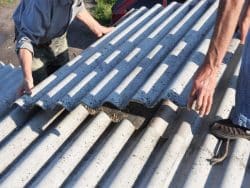
Asbestos in residential settings tends to concentrate in specific materials and locations that homeowners should be aware of, particularly in homes built between 1930 and 1980. Roofing and siding shingles are among the most common sources, as asbestos was widely used in those materials for its durability and fire resistance. Insulation in homes built between 1930 and 1970 frequently contains asbestos, particularly around pipes, furnaces, and in attic and wall cavities.
Textured paint, patching compounds, and wall and ceiling joint materials applied before 1977 may contain asbestos additives. Gas-fired fireplaces with artificial ashes and embers, stove-top pads, and the insulation around wood-burning stoves including asbestos paper, cement sheets, and millboard are all potential sources throughout Aspen, CO and nearby communities. Vinyl floor tiles and the adhesives used beneath sheet flooring, hot water and steam pipes in older plumbing systems, and the insulation and door gaskets on oil and coal furnaces round out the most common locations where asbestos is found in residential properties.
Why Visual Identification Is Never Enough
One of the most important things to understand about asbestos-containing materials is that they cannot be identified by appearance alone. There is no visual characteristic that reliably distinguishes an asbestos-containing material from one that does not contain asbestos. The only exception is a material that carries a label explicitly stating it contains asbestos, which is rarely present in older installations.
For everything else, the only reliable method of identification is professional sampling and laboratory analysis conducted by a qualified inspector. Regional Asbestos Mitigation Services takes material samples using proper containment protocols, submits them for laboratory analysis, and provides homeowners with a definitive answer about what is and is not present in their property before any decisions about repair or removal are made.
When Action Is Required and When It Is Not
The presence of asbestos does not automatically require removal. Asbestos-containing materials that are in good condition, intact, and unlikely to be disturbed can often be left in place and monitored rather than removed, which is a less disruptive and less costly approach when the material poses no immediate risk. When materials are damaged, deteriorating, or scheduled to be disturbed through renovation work, professional abatement is the only safe response.
Knowing Is Always Better Than Assuming
The only safe response to uncertainty about asbestos is professional confirmation. A thorough asbestos home inspection in Aspen, CO and the surrounding communities through Regional Asbestos Mitigation Services gives homeowners the clear answers and professional guidance they need to protect their families and make informed decisions about their property with complete confidence.